🗓️ 10.16.2026 📍Skirball Cultural Center 📋18.5 CE Credits
Sessions

Keynote
Ross Greene Ph.D.
Originator of the Collaborative & Proactive Solutions (CPS) model

Keynote
Deena Margolin, LMFT & Kristin Gallant
Co-Founders Big Little Feelings
Keynote
Elisha Goldstein Ph.D.
Clinical Psychologist and Co-founder of The Center for Mindful Living
Friday
7:30am – 8:30am
Main Hall
Check-In, Networking Breakfast, and Resource Tables
8:30am – 8:40am
Main Hall
Morning Convocation: Welcome and Opening Remarks
8:40am – 9:55am
keynote
The Kids Who Aren’t Okay: The Urgent Case for Reimagining Support, Belonging, and Hope
Ross Greene Ph.D.
Presentation Description
Ross Greene Ph.D.
Presentation Description:
Research in the neurosciences over the past four decades has completely changed our knowledge of the factors underlying concerning behavior in kids. Unfortunately, practices have been slower to evolve. Dr. Greene’s evidence-based Collaborative & Proactive Solutions (CPS) model reflects not only advances in our knowledge but has also transformed intervention practices in families, general and special education schools, inpatient psychiatric units, and residential and juvenile detention facilities throughout the world, and has been associated with dramatic reductions in adult-child conflict, concerning behaviors, disciplinary referrals, detentions, suspensions, restraints, and seclusions. The model represents a significant departure from discipline-as-usual: it focuses on solving problems rather than on modifying behavior, encourages proactive rather than reactive intervention, emphasizes collaborative rather than unilateral solutions, de-emphasizes diagnostic categories, and provides practical, research-based tools for assessment and intervention.
Learning Objectives:
At the conclusion of this program, participants will be able to:
• Describe the four paradigm shifts/key themes of the CPS model, and how the model focuses on problems (and solving them) rather than on the behaviors that are being caused by those problems (and modifying them); the advantages of collaborative (rather than unilateral) problem solving; and the importance of proactive (rather than reactive) intervention.
• Describe the three basic mechanisms by which adults handle unsolved problems and unmet expectations in kids (Plans A, B, and C) and what is accomplished by each
• Describe the three steps of Plan B
10:05am – 11:20am
keynote
OR
Beyond Behavior: A Neuroaffirming Framework for Understanding, Regulation, and Lifelong Wellbeing
Kristin Gallant & Deena Margolin, LMFT
Presentation Description

Kristin Gallant & Deena Margolin, LMFT
Presentation Description:
For decades, much of the work with neurodivergent children has focused on changing behavior. But what if behavior isn’t the problem to solve, what if behavior is nervous system communication? In this thought-provoking conversation, Kristin Gallant, co-founder of Big Little Feelings, and licensed therapist Deena Margolin explore how shifting from a behavior-first framework to a neuroaffirming, nervous system-informed approach transforms the way professionals understand, interpret, and respond to neurodivergent children. Drawing from neuroscience, lived experience, and the voices of neurodivergent adults, they challenge traditional assumptions about regulation, behavior, and support while offering practical, evidence-informed strategies that reduce distress, strengthen self-advocacy, and promote lifelong wellbeing. Attendees will leave with immediately applicable tools for home, school, and therapeutic settings, and a fundamentally new lens for understanding behavior that has the potential to transform every interaction that follows.
Learning Objectives:
At the conclusion of this program, participants will be able to:
Differentiate behaviors driven by nervous system dysregulation from behaviors that reflect skill deficits or intentional noncompliance and identify how this distinction changes intervention.
Apply neuroaffirming strategies that support regulation during meltdowns, shutdowns, sensory overwhelm, and emotional escalation across home, school, and therapeutic settings.
Evaluate commonly used behavioral and therapeutic approaches through a neuroaffirming lens, identifying when interventions may unintentionally increase shame, masking, or dysregulation, and which ones support our neurodivergent children’s needs.
Implement strategies that strengthen self-trust, emotional safety, and authentic connection by incorporating validation, belief, and nervous-system-informed communication into everyday practice.
Identify practical ways to reduce unnecessary day to day demands to support the neurodiverse nervous system, while also maintaining meaningful expectations to increase regulation, participation, and long-term independence.
Breakout Session
Pathways to Meaningful Employment for Autistic Young Adults: What We Know About Promoting Successful Outcomes
Julie Lounds Taylor, Ph.D.
Presentation Description

Presentation Description:
Drawing on Dr. Taylor’s research with transition-aged youth and autistic adults, the session will explore what we know about employment outcomes, what makes employment meaningful, and the factors associated with job satisfaction and well-being.
The presentation will also consider what research across adulthood can teach us about promoting successful and sustainable employment experiences in young adulthood.
Learning Objectives:
At the conclusion of this program, participants will be able to:
• Describe how research studies typically measure employment for autistic adults.
• Define “meaningful employment” for autistic adults.
• Identify one key factor that predicts job satisfaction among autistic adults.
11:30am – 12:30pm
Breakout Session options
Love the Teen You Have: A Practical Guide to Transforming Conflict Into Connection
Ann-Louise Lockhart, Psy.D., ABPP
Presentation Description
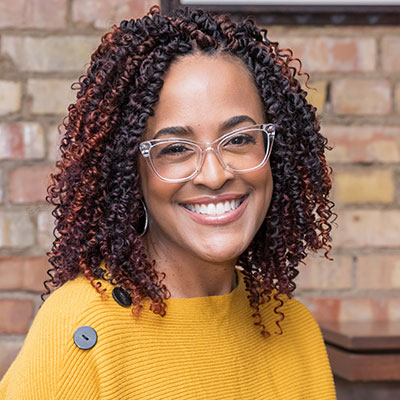
Ann-Louise Lockhart, Psy.D., ABPP
Presentation Description:
Today’s adolescents face increasing challenges with emotional regulation, executive functioning, anxiety, social pressures, and identity development—all while the adults supporting them often feel frustrated, disconnected, and unsure of what to do next. Whether working with neurodivergent youth, highly sensitive teens, or adolescents experiencing emotional and behavioral challenges, the quality of the adult-teen relationship remains one of the strongest predictors of positive outcomes.
Drawing from research in developmental psychology, neuroscience, attachment, and emotion regulation, this session provides practical, evidence-informed strategies that clinicians, educators, and parents can immediately implement to reduce power struggles, strengthen connection, and foster resilience. Participants will learn how to respond rather than react, understand the function of challenging behaviors, and create emotionally safe environments that support growth while maintaining healthy boundaries. Attendees will leave with concrete tools they can use immediately in therapy sessions, classrooms, and at home.
Learning Objectives:
At the conclusion of this program, participants will be able to:
Identify at least three evidence-based communication strategies that strengthen connection and reduce conflict with adolescents across home, school, and clinical settings.
Explain how executive functioning, emotional regulation, and adolescent brain development influence teen behavior and adult-child interactions.
Apply practical, relationship-based interventions that promote co-regulation, improve collaboration, and support adolescents with ADHD, anxiety, and other emotional challenges.
Recognizing and Treating Problematic Fear and Anxiety in Children: Practical, Evidence-Based Strategies
John Piacentini, Ph.D.
Presentation Description

Presentation Description:
This presentation will provide an overview of the most common anxiety disorders in children and adolescents, their impacts on family, school, and social functioning, and effective treatment strategies. Special emphasis will be placed on recognition of factors that may maintain anxiety and interfere with positive treatment outcomes.
Learning Objectives:
At the conclusion of this program, participants will be able to:
• Recognize common symptoms of anxiety and associated impairments in youth with problematic anxiety
• Describe the common impacts of child anxiety on school, social and familial functioning
• Explain the rationale and benefits of personalized intervention strategies for mental illness
Understanding Autism in Girls: What Research Reveals About Recognition, Camouflaging, and Support
Christine Wu Nordahl, Ph.D.
Presentation Description

Christine Wu Nordahl, Ph.D.
Presentation Description:
This presentation will focus on recent science about autism in girls, including what we have learned about behavioral presentations across childhood and adolescence, camouflaging and masking, co-occurring conditions, and brain differences. Dr. Nordahl will also discuss a social support group that she founded in 2021 that serves neurodivergent girls and gender diverse teens. The goal of this session is to provide families and professionals with knowledge about how to identify and support autistic girls across development.
Learning Objectives:
At the conclusion of this program, participants will be able to:
• Describe how camouflaging and masking behaviors make identification of autism in girls more challenging
• Name how behavioral presentation and trajectories may differ between autistic boys and girls
• Discuss how autistic girls may benefit from specific support groups tailored to their needs and interests.
12:30PM – 1:30pm
AHMANSON hall
Lunch + Spirit of Hope Award
Michelle Smigel
2026 Spirit of Hope Award Honoree
National Autism Advocate,
NEXT for AUTISM Board Member & Co-Creator of Night of Too Many Stars
1:30pm – 2:30pm
Breakout Session options
What’s New in ADHD: Current Research and Non-Medication Approaches
Sandra Loo, Ph.D.
Presentation Description

Presentation Description:
This presentation will cover new research findings regarding ADHD diagnosis, developmental trajectory, and associated problems such as emotion dysregulation and sleep difficulties.
Traditional non-medication treatments for ADHD, such as behavior therapy and cognitive behavioral therapy, will be reviewed. Scientific updates on evidence for novel ADHD treatments, such as cognitive training, neurofeedback, and neuromodulation, will also be presented.
Finally, integrated treatment approaches for children and adolescents with ADHD will be discussed.
Learning Objectives:
At the conclusion of this program, participants will be able to:
• Identify one new research finding in ADHD diagnosis and treatment.
• Name two empirically supported non-pharmacological treatments for ADHD.
• Describe two possible components of an integrated treatment approach for ADHD.
Supporting Kids in the Digital Age: A Fact, Not Fear Approach for Families and Professionals
Yalda Uhls, MBA, Ph.D.
Presentation Description

Yalda Uhls, MBA, Ph.D.
Presentation Description:
This session offers a fact-based, non-alarmist framework for understanding how media and technology shape childhood and adolescence, from the early years through young adulthood. Drawing on contemporary research and building on the practical guidance from Media Moms & Digital Dads, Dr. Yalda T. Uhls explores how social connection and social-emotional development are affected by digital engagement and offers parents and professionals evidence-informed tools they can apply immediately at home and in practice. The talk moves beyond fear-driven narratives about screens toward a balanced, developmentally grounded approach to supporting kids in a digital world.
Learning Objectives:
At the conclusion of this program, participants will be able to:
• Identify current, evidence-based trends in how children and adolescents engage with digital media across developmental stages, from early childhood through young adulthood.
• Describe how social connection and social-emotional development are shaped by healthy versus problematic technology use in youth.
• Apply practical, fact-based strategies for guiding conversations with children and clients about technology use that reduce fear-based messaging and increase actionable engagement.
Ready for What’s Next: The Skills Neurodivergent Teens and Young Adults Need for College, Self-Advocacy, and Independent Living
Marci Schwartz, LCSW, Ph.D.
Presentation Description

Presentation Description:
This presentation explores the essential skills neurodivergent teens and young adults need to successfully navigate the transition from high school to college and independent living. Designed for parents, therapists, school counselors, and clinicians, this session provides a practical, research-informed framework for understanding what “college fit” really means for neurodivergent students — and how the adults in their lives can help them get there.
Participants will explore three core domains of college readiness: Academic Success (planning, time management, organization, study skills, use of campus resources, and navigating obstacles), Life Management Skills (habits and routines, health and self-care, money management, self-awareness, self-advocacy, and responsibility), and Social and Community Engagement (building relationships, balancing social life, campus involvement, communication, digital safety, and career focus).
The presentation also explores two critical transition skills — self-advocacy and independence — examining why they are particularly challenging for neurodivergent teens, what they look like in practice, and how clinicians and parents can begin building them well before the transition from home. A practical transition timeline guides attendees through the key steps to take in the months leading up to and following the start of college.
Educational goals are to equip participants with a clear framework for evaluating college fit for neurodivergent students. To build awareness of the specific academic, life management, and social skills students need to thrive in college. To provide actionable strategies for developing self-advocacy and independence during the high school years and to support clinicians and parents in playing an informed, proactive role in the college transition process.
Learning Objectives:
At the conclusion of this program, participants will be able to:
• Assess the key elements of college fit — including academic support, campus culture, and disability services — to identify the right next step for a neurodivergent student after high school
• Articulate the critical skill areas neurodivergent teens need to develop across academics, life management, and social and community engagement to thrive in college
• Apply practical strategies to build self-advocacy and independence in neurodivergent teens before and during the transition
2:45pm – 3:45pm
Breakout Session options
Big Feelings, Better Choices: Teaching the Language of Regulation for Resilience and Confidence
Hanna Novak, M.S., CCC-SLP
Presentation Description

Hanna Novak, M.S., CCC-SLP
Presentation Description:
Big feelings are a natural part of being human, but many students need explicit support to recognize, understand, and communicate their internal experiences before they can access learning, problem-solving, and meaningful social connection. This workshop explores how nervous system regulation provides the foundation for developing the language of emotions and regulation, empowering students to make thoughtful choices, navigate challenges, and build resilience and confidence.
Attendees will develop a practical understanding of how bottom-up nervous system regulation influences communication, social participation, emotional awareness, and readiness for learning. The workshop will explore strategies that can shift students toward connection rather than protection, making it easier to access flexible thinking, problem-solving, and positive interactions with others. Designed for professionals and caregivers, this training emphasizes practical, neuroaffirming strategies that foster emotional vocabulary, co-regulation, self-regulation, and social participation.
Learning Objectives:
At the conclusion of this program, participants will be able to:
• Describe how neuroception and bottom-up nervous system regulation influence students’ readiness for learning, communication, and self-regulation.
• Identify environmental and relational cues of safety and threat that impact a student’s ability to engage in flexible thinking, communication, and learning.
• Apply at least three neuroaffirming strategies to support students’ regulation, resilience, and confidence through co-regulation, scaffolding, and intentional language.
Supporting Executive Functioning in Neurodivergent Youth and Young Adults: Creating Access, Agency, and Autonomy
Karen Wilson, Ph.D.
Presentation Description

Karen Wilson, Ph.D.
Presentation Description:
Executive function difficulties can affect a young person’s ability to initiate, plan, organize, regulate, and complete goal-directed activities. These difficulties are often misunderstood, particularly when a neurodivergent young person can complete a task under some conditions but not others.
In this presentation, Dr. Karen Wilson will draw on current research involving Attention-Deficit/Hyperactivity Disorder (ADHD), autism, and other neurodevelopmental profiles to examine the heterogeneity of executive functioning, limitations of common assessment methods, and the extent to which intervention effects transfer to everyday functioning.
The educational goals are to help participants interpret executive-function difficulties more accurately, identify supports that reduce unnecessary executive demands while preserving meaningful expectations, and evaluate whether intervention gains extend beyond trained tasks to everyday functioning. The session will also consider how supports can be implemented collaboratively to promote access, agency, and autonomy.
Learning Objectives:
At the conclusion of this program, participants will be able to:
•Explain how heterogeneity and differences among executive-function measures affect the interpretation of executive functioning in neurodivergent youth.
• Evaluate whether an executive-function intervention demonstrates transfer beyond a trained task to everyday functioning and identify at least one limitation affecting the interpretation of treatment outcomes.
• Apply the “See the Load, Build the Bridge” framework to identify at least two possible sources of executive load and select at least two appropriate supports.
Advancing Suicide Prevention for Youth: Strategies and Approaches That Work
Michele Berk, Ph.D.
Presentation Description

Michele Berk, Ph.D.
Presentation Description:
This presentation will provide an overview of the topic of youth suicidal and self-harm behavior. This presentation will provide practical tips for providers on how to complete a comprehensive suicide risk assessment and how to implement evidence-based strategies for risk management. The presentation will also review existing evidence-based treatment approaches. The presentation will also provide evidence-based tips for parents on how to keep at risk teens safe and how to navigate existing treatment options.
Learning Objectives:
At the conclusion of this program, participants will be able to:
• Describe existing evidence-based treatment strategies for youth at risk for suicide.
• Explain practical strategies for keeping youth at risk for suicide safe.
• Describe components of a comprehensive suicide risk assessment with youth.
Providing Affirming Therapy for autistic LGBTQ Clients in a Non-Affirming Landscape
Laurie Stephens, Ph.D.
Presentation Description
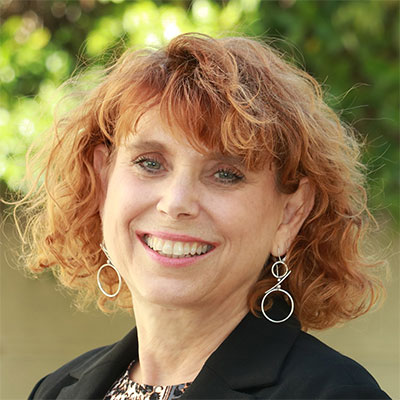
Laurie Stephens, Ph.D.
Presentation Description:
Autistic individuals are more likely than their neurotypical peers to identify as LGBTQ+, yet many experience unique challenges navigating systems that may not fully understand or affirm either aspect of their identity. This presentation explores the intersection of neurodivergence and gender and sexual diversity through a neuroaffirming lens, examining current research, minority stress, and the impact of societal stigma on mental health and well-being. Participants will gain practical strategies for creating safe, affirming therapeutic relationships, supporting identity development, promoting resilience, and helping autistic LGBTQ+ clients navigate complex social, educational, and family environments with authenticity, dignity, and hope.
Learning Objectives:
At the conclusion of this program, participants will be able to:
• Describe the unique experiences and mental health considerations of autistic LGBTQ+ individuals, including the impact of intersectionality and minority stress on psychological well-being.
• Apply neuroaffirming and gender-affirming clinical strategies that promote psychological safety, identity development, resilience, and client-centered care for autistic LGBTQ+ individuals.
• Identify practical interventions and resources that help autistic LGBTQ+ clients build supportive communities, enhance emotional well-being, and safely navigate challenging social and environmental contexts.
4:00pm - 5:00pm
keynote
OR
Tiny Shifts: Small Practices That Transform Stress, Relationships, and Well-Being
Elisha Goldstein Ph.D.
Presentation Description
Educators, clinicians, parents, and caregivers who support neurodivergent individuals, people with mental health challenges, and other high-needs populations often spend their days responding to stress, emotional intensity, and the demands of caring for others. While technical skills are essential, sustaining this work also depends on the ability to regulate our own emotional responses, remain connected to what matters most, and return to those intentions even after difficult moments.
In this interactive 60-minute presentation, clinical psychologist Dr. Elisha Goldstein introduces practical, evidence-informed strategies from his latest book, Tiny Shifts: How Emotional Health Transforms Stress, Relationships, and Longevity. Integrating neuroscience, psychology, and mindfulness, participants will explore the 4R Method – Recognize, Release, Refocus, and Reinforce – and learn how small, repeatable practices can interrupt automatic patterns of stress and emotional reactivity while strengthening emotional flexibility, resilience, and connection.
Together, we’ll also address one of the greatest challenges of any conference: translating inspiration into lasting change. Participants will identify one or two insights they most want to carry forward, explore the patterns most likely to pull them back into familiar routines, and workshop practical “tiny shifts” that help those intentions remain alive long after they return to the demands of everyday life.
Educational goals are to understand how emotional habits influence stress, relationships, and well-being. Recognize early signs of emotional activation and automatic stress responses. Learn practical strategies from the 4R Method to respond more intentionally under pressure. Identify personal patterns that can interfere with implementing new learning and develop small, sustainable practices to support lasting change. Strengthen emotional resilience and cultivate practical skills that enhance well-being while supporting others.
Learning Objectives:
At the conclusion of this program, participants will be able to:
• Identify common emotional patterns and early signs of activation that contribute to stress, emotional reactivity, and difficulty sustaining intentional behavior.
• Apply the principles of the 4R Method (Recognize, Release, Refocus, and Reinforce) to interrupt automatic stress responses and support more intentional, values-aligned actions in personal and professional life
• Develop one or two practical “tiny shifts” that integrate key insights from the conference into everyday routines, increasing the likelihood that meaningful learning translates into lasting behavioral change.
Breakout Session
Medications for Autism, ADHD, Anxiety, and Mood Disorders: What’s Commonly Used, What’s Commonly Tried, and What Families Should Know?
Benjamin Schneider, M.D.
Presentation Description

Benjamin Schneider, M.D.
Presentation Description:
Medications can play an important role in supporting neurodivergent children and adolescents, but deciding whether—and when—to use them can be complex.
In this practical, evidence-informed session, Dr. Benjamin Schneider will review the medications most commonly prescribed to address co-occurring conditions such as ADHD, anxiety, mood disorders, irritability, and behavioral challenges in autistic individuals.
Drawing on current research and clinical experience, he will discuss which treatments have the strongest evidence, common side effects and safety considerations, and how medications fit within a broader treatment approach that includes behavioral interventions and family support.
The session will also examine commonly discussed alternative and emerging treatments, helping attendees distinguish promising research from unsupported claims so they can make thoughtful, informed decisions in partnership with families and providers.
Learning Objectives:
At the conclusion of this program, participants will be able to:
• Identify the evidence-based uses, benefits, and limitations of commonly prescribed medications for autistic individuals and those with co-occurring ADHD, anxiety, mood disorders, and behavioral challenges.
• Describe key factors that guide safe and effective medication decision-making, including identifying appropriate treatment targets, monitoring side effects, and integrating medication with behavioral and family-based interventions.
• Differentiate between evidence-supported, emerging, and alternative medication and treatment approaches, enabling families and professionals to evaluate new therapies using current research rather than anecdotal claims.
Bonus On-Demand CE Sessions
Available exclusively to registered attendees
On-Demand Sessions
From Reactivity to Resilience: Helping Young People Regulate in an Anxious World
Dan Siegel, MD
Presentation Description

Presentation Description:
In today’s world, many young people are experiencing unprecedented levels of stress, anxiety, and emotional overwhelm. In this presentation, Dr. Daniel J. Siegel will explore how relationships, emotional attunement, and everyday interactions with caring adults can help young people build resilience and develop the skills needed for emotional regulation.
Drawing on insights from interpersonal neurobiology, attachment research, and decades of clinical and parenting work, Dr. Siegel will translate key concepts about brain development into practical strategies that parents, educators, and clinicians can use to support young people during moments of stress and dysregulation.
Participants will gain a deeper understanding of how connection, co-regulation, and emotional awareness help shape the developing mind, and how adults can respond to challenging behaviors in ways that strengthen resilience and well-being.
Learning Objectives:
At the conclusion of this program, participants will be able to:
• Describe how neuroception and bottom-up nervous system regulation influence students’ readiness for learning, communication, and self-regulation.
• Identify environmental and relational cues of safety and threat that impact a student’s ability to engage in flexible thinking, communication, and learning.
• Apply at least three neuroaffirming strategies to support students’ regulation, resilience, and confidence through co-regulation, scaffolding, and intentional language.
What I Learned About Increasing Well-Being From 36 Years of Happiness Science
Sonja Lyubomirsky, Ph.D.
Presentation Description

Presentation Description:
Happiness not only feels good—it is good. Happy people tend to be more creative, productive, and helpful; they have more stable marriages and higher incomes, and they boast stronger immune systems.
Furthermore, research suggests that feeling socially connected is a key driver of happiness. Fortunately, experiments have shown that people can intentionally increase both their happiness and their sense of connection.
In this presentation, Sonja Lyubomirsky will describe both classic and brand-new research revealing when and why practices such as expressing gratitude, performing acts of kindness, and engaging in more social interactions work best.
Specifically, she will highlight the critical factors that increase the likelihood of success—for example, how to determine the right “dosage” or type of gratitude or kindness, and how to have deeper conversations that help people feel more loved.
Learning Objectives:
At the conclusion of this program, participants will be able to:
• List three intentional activities that have been shown to increase happiness and describe at least one study that supports the efficacy of each.
• Explain why a 15-minute conversation is one of the most effective happiness interventions and how to structure that conversation to maximize happiness.
• Describe at least three mindsets people can adopt to help themselves and their conversation partners feel more loved.
Understanding Motivation in ADHD, Autistic and AuDHD Learners
Megan Anna Neff, Psy.D.
Presentation Description
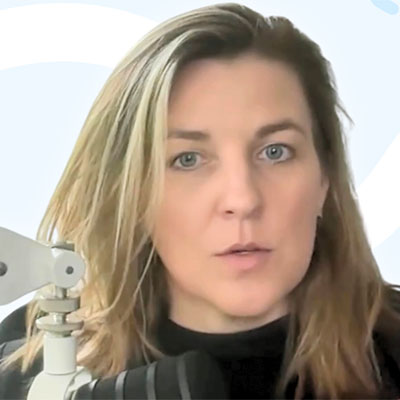
Megan Anna Neff, Psy.D.
Presentation Description:
“Unmotivated” is one of the most common labels attached to ADHD, Autistic, and AuDHD learners—and one of the least useful.
Underneath it sit several distinct mechanisms: executive function struggles, demand avoidance, arousal regulation, sensory load, and disruption of monotropic focus—the deep, single-channel attention style common in Autistic learners.
Each mechanism calls for a different support, and when the mismatch goes unrecognized, the costs accumulate into burnout.
This session unpacks what motivation looks like in ADHD, Autistic, and AuDHD nervous systems, barriers to learning that might get misunderstood as motivational issues, and how clinicians, educators, and families can match support to mechanism rather than pushing harder on willpower.
Blending current research, clinical frameworks, and lived AuDHD experience, Dr. Neff offers a practical formulation for reading behavior through the lens of the nervous system.
Learning Objectives:
At the conclusion of this program, participants will be able to:
• Differentiate executive functioning demands, arousal regulation, sensory load, and disruption of monotropic focus as distinct mechanisms that present as “low motivation” in ADHD and Autistic learners.
• Apply an interest-based and arousal-based formulation to task refusal, distinguishing a skill-based “can’t” from a motivational “won’t.”
• Identify supports matched to the underlying mechanism rather than one-size-fits-all motivation strategies.

For more than 85 years, Help Group has been one of the region's leading nonprofits serving individuals with autism, learning differences, and mental health needs through specialized education and lifelong support services. Summit extends that mission by bringing together experts, educators, professionals, and families to share practical strategies, inspire new perspectives, and strengthen support across every stage of life.